Best AI SEO Tools for SERP Analysis
Best AI SEO Tools for SERP Analysis: Some links here are partner links. It costs you nothing and may pay us a commission.
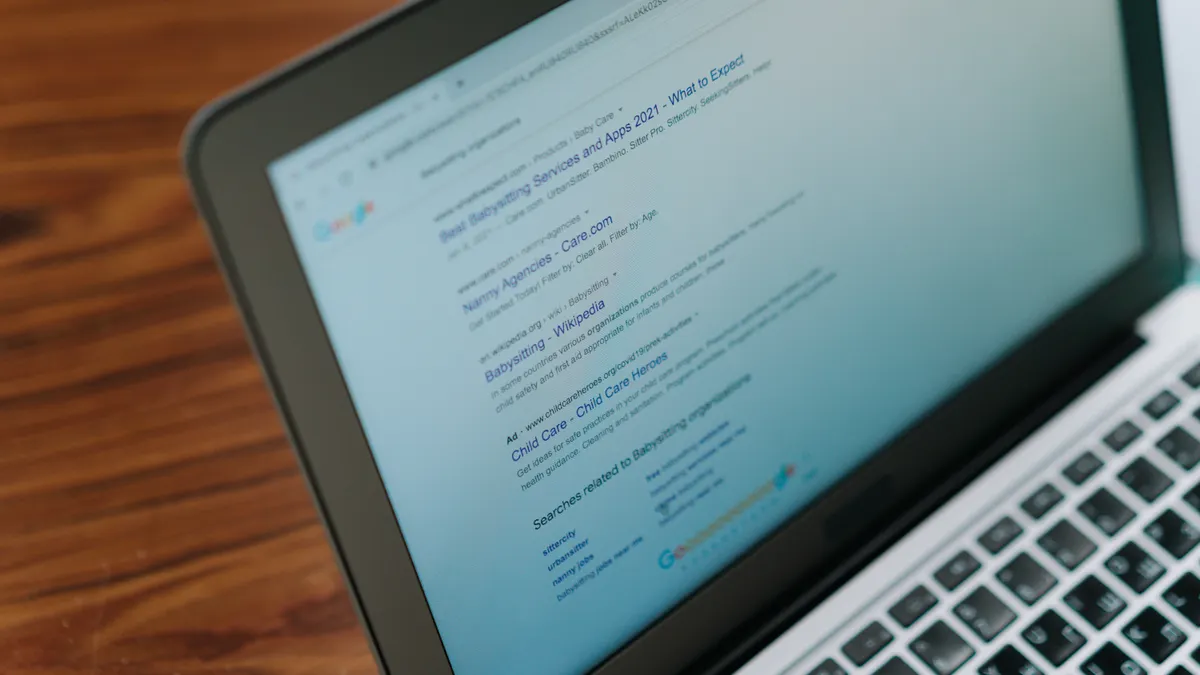
laptop showing a search results page
Last updated: October 11, 2026
Key Takeaways
- Semrush is a strong all-around SERP analysis option for keyword research and content planning.
- Ahrefs is a strong fit for readers who want the search landscape around a query, not only the ranking page.
- Surfer turns SERP analysis into content briefs well when page-level guidance matters most.
- Similarweb works best when SERP analysis needs traffic and market context, not just page optimization.
Some links here are partner links. It costs you nothing and may pay us a commission.
Quick Answer: Need the best AI SEO tools for SERP analysis? Start with Semrush for broad SERP feature coverage, Ahrefs for keyword and competitor depth, and Surfer for content briefs. In 2026, those three still make the most sense for teams turning a results page into action, not just a pile of metrics. This guide compares Best AI SEO Tools for SERP Analysis across features, pricing, and workflow fit.
In short: My top picks are Semrush for broad SERP feature and competitor coverage, Ahrefs for clean keyword and ranking context, and Surfer for page-level on-SERP content guidance. We picked them for the same reason a search strategist does: they show what is ranking, why it is ranking, and where the gaps are.
We built this shortlist from published product specs, public help docs, vendor pricing pages, and widely reported reviewer feedback on workflow fit and limits. According to Google Search Central, structured search understanding depends on clear, specific page signals, and these tools help surface those signals faster.
Table of Contents
| Tool | Best for | Free tier? | Starts at | Where to start |
|---|---|---|---|---|
| Semrush | Full SERP analysis with feature tracking and competitor gaps | Limited trial or freemium tools at times | Entry plan billed yearly or monthly; check current plans | Semrush plans |
| Ahrefs | Keyword and SERP context with strong backlink overlap | Limited free tools, not a full research suite | Entry plan billed yearly or monthly; check current plans | Ahrefs pricing |
| Surfer | On-page SERP analysis for content briefs and optimization | No meaningful permanent free tier | Entry plan billed yearly or monthly; check current plans | Surfer pricing |
| SE Ranking | Smaller teams that need rank tracking plus SERP snapshots | Trial availability varies | Entry plan billed yearly or monthly; check current plans | SE Ranking pricing |
| Similarweb | Market and traffic context around SERPs | Limited public tools | Entry plan billed yearly or monthly; check current plans | Similarweb pricing |
| Nightwatch | Rank tracking with local and device-level SERP changes | Trial availability varies | Entry plan billed yearly or monthly; check current plans | Nightwatch pricing |
How we compared
Current product pages, help docs, plan limits, and independent buyer commentary formed the base here. This matters because SERP analysis tools change plan limits, export rules, and feature access often enough to make stale advice useless in a month.
So the question behind this article is simple: which AI SEO tool gives you the clearest picture of a search results page, not just a keyword list? We looked for three things that matter when you are making decisions from SERPs: feature coverage, competitor context, and the amount of friction when you need to turn research into a brief, a page update, or a report. For example, Semrush and Ahrefs both cover SERP research, but they surface different parts of the page.
Because SERP analysis affects briefs, rankings, and reporting, we also checked whether each tool could support repeat workflows rather than one-off lookups. Pricing structure matters here. In Ahrefs’ public pricing, the entry tier starts at $129 per month when billed monthly; Semrush lists plans on its pricing page with tiered access; and Surfer positions its content workflow around paid plans rather than a lasting free tier.
Best overall: Semrush
Semrush is a strong overall choice for SERP analysis if you need one tool to map features, competitors, and keyword intent in the same place — unless you only need lightweight rank checks and do not want to pay for a broad platform.
For SEO teams that live inside keyword research and content planning, Semrush is strong because its SERP views and keyword tools are built for comparison, not just lookup. The useful part is not a single number; it is the way the tool lets you see who owns the result page, what features sit above the organic listings, and which domains keep recurring across related queries. That is the sort of context a content editor can act on. Google’s own Search Central guidance makes clear that search results can be shaped by many signals, not one metric.
Pros
- Its keyword and SERP modules let you inspect results by intent and by feature type, which means you can spot “zero-click” queries before you spend a brief on them.
- It covers more than SERP snapshots, so one subscription can feed content planning, gap analysis, and reporting for a team that needs fewer disconnected tools.
- Its public plan structure makes it easier to move from one-seat use to a multi-seat workflow without rebuilding the process from scratch.
Cons
- The platform breadth is also the trap: if you only need SERP analysis, the rest of the suite can feel like paying for cabinets when you wanted one drawer.
- Free access is limited, so a solo consultant can run into upgrade pressure fast once they need repeated checks or exports.
- The listing does not make every export or seat limit equally obvious on the first pass, so you need to read the plan details before committing.
Pricing reality: At the time of writing, Semrush has limited free tools and plan-gated research features rather than a full permanent free tier. The upgrade usually becomes necessary when you need repeatable keyword batches, saved reports, or fuller competitor views. For a team of five, per-seat economics matter because one central account can become a bottleneck if each strategist needs independent access; the real cost is less the headline plan and more how many people need to touch the same dashboards.
The lock-in question: Export is possible for some reports and datasets, but the sticky part is historical comparisons, saved projects, and any workflow built around Semrush-specific modules. If you leave, the biggest loss is usually continuity: the before-and-after view across keywords, projects, and domains does not travel cleanly to a simpler tool.
Buy this if you manage several pages or clients and need SERP analysis that connects to broader SEO work. Skip it if your job is to answer one ranking question per week and nothing else.
Best for keyword depth: Ahrefs

Ahrefs is a strong pick if your SERP analysis starts with keyword discovery, competitor overlap, and link context — unless you need a content-brief tool that tells writers exactly how to structure a page.
Ahrefs wins for readers who care about the search landscape around a query, not only the ranking page itself. Its value is that it helps you understand which domains keep showing up, how hard it is to dislodge them, and where backlinks and organic visibility intersect. That makes it a better fit for analysts who think in terms of competitive position. Ahrefs’ own pricing page shows the entry plan at $129 per month billed monthly.
Pros
- Its keyword and SERP views are strong for finding repeat competitors, which means you can separate true rivals from one-off occupiers of the page.
- The backlink layer gives you context that many AI content tools ignore, which is useful when a SERP is shaped by authority rather than just on-page relevance.
- It is a clean fit for agencies that need a reliable research surface without adopting a heavier all-in-one suite.
Cons
- It is less opinionated about content execution, so writers may still need a separate brief tool if the goal is page creation, not analysis.
- The learning curve is real for non-specialists, which can slow down smaller teams that want a simple “what changed?” answer.
- Some users will find that the most useful parts sit behind the higher tiers, especially when they need larger batch research or more saved projects.
Pricing reality: Ahrefs offers limited free tools, but the paid tiers are where serious SERP analysis lives. The practical upgrade trigger is usually repeated keyword research, larger saved projects, or regular competitor tracking. For a team of five, the per-seat math can rise quickly if everyone needs daily access, so it is a better fit for a central analyst plus a few viewers than for five equal editors.
The lock-in question: Data export exists for key reports, but the loss on exit is mostly process memory: saved keyword lists, project history, and the habit of reading the SERP through Ahrefs’ own filters. If you migrate out, the raw data can move; the workflows usually do not.
Buy this if your work depends on understanding who already owns a query and why. Skip it if you mainly want AI-assisted recommendations for on-page structure.
Best for content briefs: Surfer
Surfer is a strong tool for turning SERP analysis into a usable content brief — unless you want broad competitive intelligence more than page-level guidance.
That is the reason it stands apart. Surfer is not trying to be the biggest SEO suite; it is trying to tell content teams what the current SERP seems to reward in terms of terms, headings, and topical coverage. For editorial teams, that makes the output easier to hand to a writer or editor without translating a giant dashboard first. Surfer positions this workflow around content optimization rather than broad market research.
Pros
- Its page-level workflow is built for content creation, so the jump from SERP observation to draft outline is shorter than with generalist SEO suites.
- It is useful when you need to compare a page against the top results and spot missing topics, which saves time in brief building.
- It can fit a content operation that already has rank tracking elsewhere and only needs stronger page guidance.
Cons
- It is narrower than a full SEO platform, so it is the wrong first purchase for a team that still needs broad keyword research and competitor discovery.
- The advice is only as good as the SERP it reads, which means volatile queries can produce noisy recommendations.
- The tool can encourage over-optimization if a team follows the score instead of using editorial judgment.
Pricing reality: At the time of writing, Surfer does not operate like a generous forever-free research suite; paid access is where the useful workflow sits. The upgrade pressure appears when you need more than occasional optimization or brief generation. For five people, per-seat costs can be awkward if each writer needs a separate login, so it works best when one strategist prepares briefs and the rest consume them.
The lock-in question: You can usually export briefs and some page data, but the real lock-in is the accumulated workflow around its editor and scoring model. If you leave, your documents remain, but the analysis layer that shaped them does not transfer intact.
Buy this if your biggest SERP problem is “what should this page cover?” Skip it if you need full-domain competitive intelligence first.
Best for smaller teams: SE Ranking
SE Ranking is a practical fit for smaller teams that need SERP tracking, keyword checks, and reporting without buying a giant suite — unless your work depends on the deepest competitive research layer.
Its appeal is practical. SE Ranking tends to cover the everyday SEO jobs that matter to a lean team: tracking positions, checking SERPs, and sharing reports. That makes it easier to justify than a broader platform when the team size is modest and the research cadence is steady rather than constant. Its public pricing page also makes entry-level evaluation easier than some competitors.
Pros
- It is easier to fit into a small agency or in-house team because the feature set is wide enough for daily SEO work without feeling bloated.
- Its rank and SERP features support the kind of recurring monitoring that helps you notice when a result page shifts after a core update or content refresh.
- Reporting is straightforward enough that a manager can see the change without decoding a specialist-only interface.
Cons
- It is not the first choice for very deep market intelligence, so large SEO departments may outgrow it.
- The free access story is not as strong as a pure freemium product, which makes evaluation more limited.
- Some teams will still need another tool for advanced content guidance or deeper backlink analysis.
Pricing reality: At the time of writing, SE Ranking uses paid plans with trial access that may vary by offer. The upgrade usually becomes necessary when you need ongoing rank tracking, multiple projects, or more than a brief evaluation window. For a five-person team, it can be easier to live with than a heavyweight suite, but shared seats still matter if each person expects their own login and exports.
The lock-in question: Exports are available for major reporting functions, but the lock-in is the history you build inside monitored projects. Leaving means losing the ease of checking a site’s past SERP movement in one place, which is the whole point of buying a tracking tool.
Buy this if you run SEO with a small but active team and need regular SERP visibility. Skip it if you need enterprise-grade research depth across many markets.
Best for market context: Similarweb
Similarweb is a strong choice when you need SERP analysis wrapped in traffic and market context — unless you are only trying to optimize one page at a time.
This matters because some SERP decisions are not really keyword decisions. They are market-position decisions. Similarweb is useful when you want to know how a domain performs, where traffic appears to come from, and how a result page fits a broader competitive landscape. That is valuable for managers who need a “why this result matters” answer, not just a keyword cluster. Similarweb’s own public materials focus heavily on market benchmarking and traffic intelligence.
Pros
- It helps place SERPs inside a wider market picture, which is useful when leadership wants directional context rather than only tactical SEO notes.
- It can be strong for competitor benchmarking, so you can see how visibility patterns line up with broader audience behavior.
- It pairs well with a separate keyword tool if the goal is executive reporting.
Cons
- It is less of a pure SEO workbench, so hands-on content teams may find it too broad for daily page optimization.
- A lot of its value sits above the single-URL level, which means writers can feel too far from the actual page decisions.
- The learning curve is not trivial if the team only wants SERP snapshots and not market intelligence.
Pricing reality: Similarweb’s useful functions are mostly in paid access, while public tools are limited by design. The upgrade becomes necessary when you need consistent benchmarking, not just occasional lookup. For five users, this is the kind of platform where seat usage should be tightly controlled because not everyone needs the same depth.
The lock-in question: Some reporting data can be exported, but the platform’s value is in its historical market view and cross-domain comparisons. If you leave, you keep the files you exported, but you lose the living context that made them meaningful.
Buy this if the question is “what does this SERP mean for the market?” Skip it if the question is “what headings should this page have?”
Best for local and device-level tracking: Nightwatch
Nightwatch is the best pick for teams that care about local, device, and precise rank movement — unless they need a broader AI SEO suite around the tracker.
That narrow focus is its strength. SERP analysis is not only about who ranks globally; it is also about what changes by location, by device, and by query type. Nightwatch is useful when those differences matter enough that a generic rank tracker would miss them. For teams watching local visibility, that extra precision can be the difference between a stable report and a misleading one.
Pros
- Its emphasis on granular tracking helps teams monitor location-sensitive SERPs, which is useful for local SEO and multi-market pages.
- It suits users who want exact movement data without committing to a larger platform.
- It can sit alongside other tools when a team only needs rank monitoring.
Cons
- It is narrower than broader SEO suites, so it does not replace a full research stack.
- Teams that need content briefs or deep keyword discovery will still need another product.
- The value is highest when rank tracking is already part of the process, not when a team is building the process from scratch.
Pricing reality: Nightwatch uses paid plans with trial access that may vary by offer. The practical trigger to upgrade is usually recurring monitoring across locations or devices. For small teams, that can still be manageable, but it is not the cheapest path if you need only occasional SERP checks.
The lock-in question: Historical rank data is the main asset you build here. If you leave, you keep exports, but you lose the clean line of location-by-location and device-by-device movement that makes Nightwatch useful.
Buy this if local SERP tracking is a daily requirement. Skip it if your main task is strategic SERP analysis across many competitors.
Which AI SEO tool should you choose for SERP analysis?
Semrush is the safest all-around choice for most teams; Ahrefs is the best fit for keyword-and-competitor depth; and Surfer is the most focused option for content briefs. Similarweb makes sense when market context matters more than page-level editing, while SE Ranking and Nightwatch are better if you need practical tracking for smaller teams or local projects. According to Google Search Central, search visibility depends on how clearly a page satisfies a query, so the right SERP tool should help you see that fit faster.
If you want one tool to answer more than one SEO question, start with Semrush. If you want the clearest view of keyword competition, start with Ahrefs. If you need a brief writers can use immediately, start with Surfer.
Drafted with AI; not yet reviewed by a person.