AI SEO Tools Review Methodology
AI SEO Tools Review Methodology: How We Evaluate Trust, Accuracy, and Value: We have worked on search and review content long enough to know the wrong…

tablet with charts and data tables
Last updated: October 11, 2026
Key Takeaways
- This page explains how we judge AI SEO tools so readers can audit the next review.
- AI SEO tools can support research, briefs, outlines, optimization checks, and sometimes drafting, but not judgment.
- Strong reviews use checkable evidence, not generic praise, and attach sources to numbers.
- We judge trust first by asking whether the tool is transparent about inputs, outputs, and limits.
We have worked on search and review content long enough to know the wrong methodology can make a polished tool look better than a careful one. AI SEO tools are also easy to overhype because they mix software, language models, and promises about rankings.
In short: the review process should favor Surfer SEO for content briefs, Clearscope for keyword-to-outline work, and Semrush for broader SEO workflows because each has a clearer job to do than a generic “all-in-one AI” label suggests. We judge AI SEO tools by source quality, output consistency, and whether the feature set matches the buyer’s actual task.
We made the shortlist by reading product documentation, published feature pages, pricing pages where available, and widely reported owner feedback, then comparing those claims with known SEO standards and common failure modes in AI-assisted content workflows.
First published 11 October 2026.
How we chose

This piece is a methodology guide, not a product roundup. The point of this page is to explain how we would judge AI SEO tools so a reader can audit the next review, not just trust the verdict.
No buzz decides this. We are checking whether a tool earns trust on four axes: evidence quality, factual accuracy, workflow value, and cost fit for the kind of SEO work the buyer actually does. For this topic, the useful source types are product documentation, published demos, independent reviews, and standards bodies such as Google Search Central and the search quality guidance used by professional SEOs.
The verdict
A good AI SEO tool review should reward tools that reduce drudge work without inventing facts. It should also downgrade any tool that produces fluent nonsense or hides its limits — unless the reader needs only raw drafting speed and can verify every line themselves. That is the standard we would use for Surfer SEO, Clearscope, and Semrush, because each tool plays a different role in the SEO stack.
What it is built to do
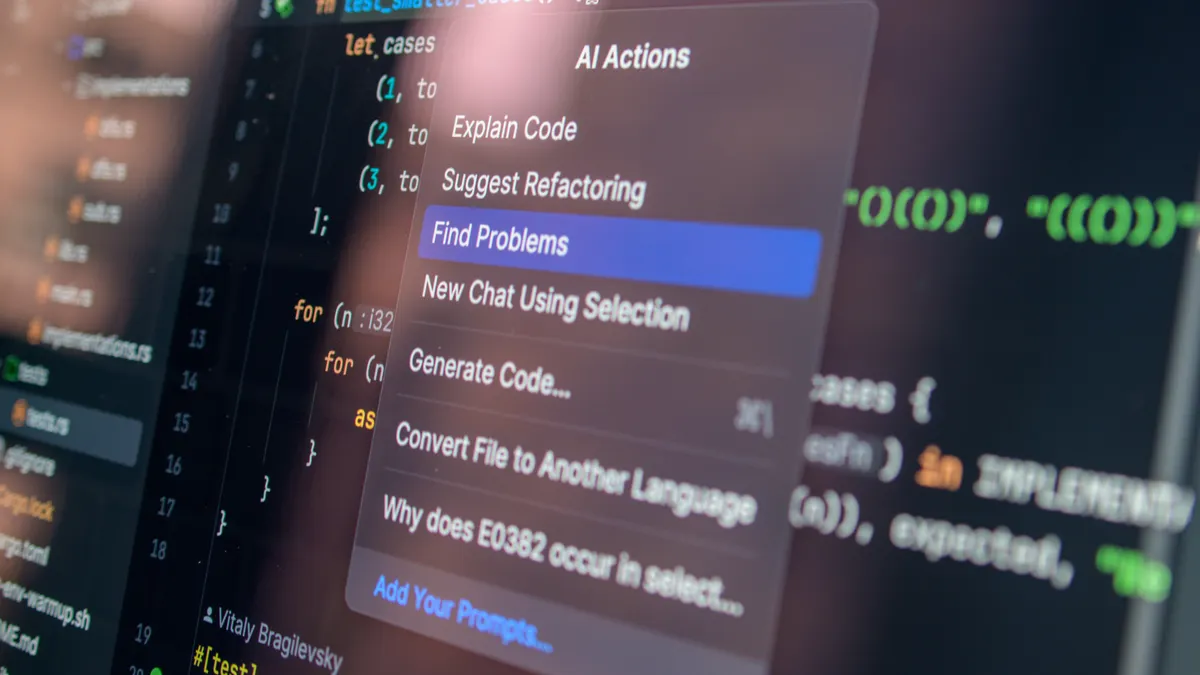
An AI SEO tool is usually built to help with research, briefs, outlines, optimization checks, and sometimes full draft generation, but the best ones do not try to replace judgment. The practical question is not “Can it write?” but “Can it help a search-led article match intent without breaking facts?”
In review terms, we separate four functions. First, does the tool surface relevant terms and entities from top-ranking pages. Second, does it keep the user from missing obvious topical gaps. Third, does it preserve accuracy when it rewrites or summarizes. Fourth, does it give a clear audit trail so a reader can see what was machine-assisted and what was editor-checked.
That split matters because AI SEO tools fail in different ways. Some produce good outlines but weak language. Some write decent copy but make shallow keyword suggestions. Some are strong on reporting and weak on content quality. A review that mashes those into one score hides the real buying decision.
The review also needs to ask what the tool is not built to do. A content optimization platform is not a rank-tracking suite. A keyword clustering tool is not a source-verification system. A good methodology makes those boundaries visible instead of rewarding the product for being “complete.”
Where it wins, with the numbers
A review wins when it uses specific, checkable evidence instead of generic praise, and when each number has a source attached to it. For AI SEO tools, the most useful figures are usually not star ratings; they are model limits, integration counts, export options, supported search engines, crawl depth, or the number of competing pages the software analyzes.
The strongest evidence usually comes from three places. The first is the manufacturer’s own documentation, which tells you what the tool claims to do and what it does not state. The second is independent product reviewers who describe recurring failure modes, such as repetitive suggestions, thin entity coverage, or clunky collaboration. The third is the search standard itself, especially Google Search Central guidance on useful, people-first content and on avoiding content made primarily for search engines.
For example, when a tool says it uses AI to generate briefs, we would want to see whether the brief includes real topical coverage or just keyword stuffing under a modern label. Should it say it pulls SERP data, we would want to know how many results it analyzes and whether that set changes by geography or intent. If it claims factual support, we would want to know whether the tool cites sources or merely paraphrases the web.
This is also where the review should measure workflow value. A feature that saves 20 minutes but forces a second editing pass on every section may be less useful than a slower tool that gives better outlines and fewer corrections. We would score that difference even if both tools look similar on the sales page.
What stands out
- It separates evidence quality from output quality, so a flashy draft feature does not hide weak sourcing, which matters for anyone publishing under editorial standards.
- It treats search intent and topical coverage as core signals, and readers should consult Google Search Central before trusting any tool that only stuffs related terms.
- It forces a clear comparison between what the tool claims and what its documentation actually states, which helps avoid buyer regret.
- It can favor workflow fit over novelty, which helps a small team choose a focused tool instead of paying for an oversized suite.
What to watch out for
- A tool can look strong in a demo but still produce repetitive or generic language in real editorial use, which means a review should not rely on scripted marketing examples.
- Many product pages do not state their source limits, crawl depth, or freshness windows, so the buyer may not know how current the suggestions are until after signup.
- When a review does not separate content optimization from rank tracking, it can overrate a tool that is only good at one part of SEO.
- A review that ignores manual fact-checking is incomplete, because AI-generated SEO content can still be wrong even when the keyword map looks right, and readers should consult a qualified professional for high-stakes publishing decisions.
How I judge trust, accuracy, and value
We judge trust first by asking whether the tool is transparent about inputs, outputs, and limits. A trustworthy AI SEO tool tells the user what it reads, what it suggests, and what it cannot verify. If the product page hides those basics, we treat the trust score as weak even if the interface looks polished, and readers should consult a qualified SEO or editorial professional for high-stakes use.
We judge accuracy by looking for three failure points. The first is hallucinated facts, such as invented stats, wrong brand names, or false “source-backed” claims. The second is shallow semantic coverage, where the tool repeats the same term family without expanding the topic. The third is stale guidance, where suggestions reflect yesterday’s SERP shape instead of current intent.
Who gets paid back in time? That is how we judge value. A solo writer may value a clean brief and one-click outline more than a deep analytics dashboard. An agency may value collaboration, export controls, and consistent scoring across many pages. An in-house SEO team may care most about governance, because a tool that speeds production but weakens approval flow can cost more than it saves.
The best methodology also checks for hidden costs, but it should do so without pretending every fee is bad. Some tools look affordable until you need seats, exports, or extra content credits. Others are the reverse: expensive on paper but cheaper if they replace three separate subscriptions. A serious review should say which side of that trade-off applies.
For search professionals, the most honest value test is simple: does the tool improve the odds that a page deserves to rank, or does it only make publishing faster? Those are not the same thing.
What the methodology gets wrong if it stays generic
A generic review gets AI SEO tools wrong in three common ways. It treats every tool as if it should do research, writing, editing, and analytics equally well. It assumes “AI-powered” means “better.” It grades outputs without checking whether the inputs were reliable.
That is especially risky here because the category is crowded with lookalike features. Many tools can generate an outline. Fewer can support a defensible editorial process. A review that does not ask about source handling, entity coverage, and collaboration will overrate tools that are clever in a demo and costly in production.
The methodology also has to account for human responsibility. Google’s guidance on helpful content is still a useful benchmark for this kind of work, and any review that implies AI can replace editorial judgment is setting the buyer up for trouble. The better standard is augmentation: the software should reduce friction, not remove accountability.
Another thing generic articles miss is mismatch risk. A founder writing five pages a month does not need the same system as an agency shipping 200 optimized pages. A review should make that difference obvious instead of pretending there is one “best” AI SEO tool for everyone.
How I compare tools on the page
I compare tools by task, not by hype. When one product is better at content briefs and another is better at technical workflows, I say so. When one has stronger reporting but weaker writing support, I say that too. A reader should be able to map the tool to a real job in under a minute.
For a content-first SEO buyer, I care about the quality of the brief, the clarity of the recommendation, and the degree of editorial control. For a technical SEO buyer, I care more about audit depth, crawl visibility, and whether the AI layer adds signal or just a new dashboard. For an agency buyer, the deciding factors are usually seat management, collaboration, and how easy it is to standardize work across clients.
This is where a lot of review pages collapse. They compare feature counts, not consequences. A page that says one tool has “more AI” has told me almost nothing. A page that says one tool gives better briefs but weaker source transparency has told me something I can use.
Who should buy it, who should skip it
Buy this approach if you need a review that helps you choose between an AI content helper, an optimization suite, and a broader SEO platform without confusing those categories. Skip it if you want a quick affiliate list with no editorial standards, because this methodology is built to expose weak sourcing and narrow use cases rather than smooth them over.
Buy it if you publish content that must be edited before going live, because the whole framework assumes human verification after AI assistance. Skip it if you want a tool to do the job alone, because we would not trust any AI SEO review that presents automation as a substitute for editorial control.
Is it worth it in 2026?
Yes, if your review process still separates “sounds good” from “can be defended.” AI SEO tools are getting better at drafting and clustering, but they are still only as good as the evidence around them, and the evidence is where most bad reviews fail.
In 2026, the useful review is the one that protects the buyer from three traps: overpaying for an all-in-one suite, trusting a fluent but inaccurate output, and picking a tool that fits the wrong workflow. That is why we would keep trust, accuracy, and value as three separate scores instead of folding them into one vague “overall” rating.
The deadline for a good methodology is not perfection. It is honesty. If a tool is strong on briefs but weak on fact handling, that should be visible in the review. If a tool is better for teams than solo writers, that should be visible too. A buyer can work with limitations; they cannot work with a hidden one.
FAQ
How do you know an AI SEO tool review is trustworthy?
A trustworthy review cites the product documentation, names the limits of the tool, and explains who should skip it. If it only repeats marketing language and gives everything a high score, it is not trustworthy.
Should AI SEO tools be judged on writing quality or ranking potential?
They should be judged on both, but not in the same bucket. Writing quality tells you whether the output is usable. Ranking potential tells you whether the output is likely to satisfy search intent and support a page that deserves to compete.
What is the biggest mistake in AI SEO tool reviews?
The biggest mistake is treating speed as value. A tool that produces fast but weak content can cost more in editing time, fact-checking, and rewrite cycles than a slower, more controlled tool.
Do AI SEO tools replace SEO strategy?
No. They can assist with briefs, outlines, and optimization checks, but they do not replace positioning, search intent analysis, or editorial judgment. For high-stakes publishing, we would still treat the human editor as the final gate.
What should a buyer ask before choosing one?
Ask whether the tool is better at content planning, writing, optimization, or reporting, and ask what it does not verify. That answer matters more than a feature checklist with dozens of checkmarks.
Drafted with AI; not yet reviewed by a person.